

In our hyper-connected world, media outlets and social platforms constantly present a barrage of perspectives on right and wrong. Moral relativism, the idea that truth and ethics are subjective, varying by culture, individual, or situation, dominates much of this content.
Yet, as Christians, we are called to root our sense of morality in the absolute authority of Scripture. The Bible declares God as the unchanging source of truth (John 17:17: “Your word is truth”), providing an objective foundation for discerning good from evil amid the shifting sands of relative truth promoted by modern media.
The Clash: Biblical Absolutes vs. Media’s Moral Relativism
Media sources often frame morality as fluid, encouraging viewers to “follow your heart” or accept that “what’s right for you may not be right for me.” This echoes postmodern relativism, where truth is seen as personally or culturally constructed rather than divinely revealed. However, the Bible rejects this outright. God’s moral law is eternal and universal, rooted in His holy character (Psalm 119:160: “The sum of your word is truth, and every one of your righteous rules endures forever”).
Consider how media might portray issues like honesty, sexuality, justice, or human life through relativistic lenses, suggesting ethics evolve with societal norms. In contrast, Scripture affirms objective standards: “Woe to those who call evil good and good evil” (Isaiah 5:20). The devil, described as “the father of lies” (John 8:44), twists truth subtly, much like biased narratives or sensationalized stories that distort reality. Prolonged exposure to such content can erode our moral discernment, leading us to conform to “the pattern of this world” rather than God’s design (Romans 12:2).
A biblical worldview counters this by viewing all of life, including news, entertainment, and social media, through the lens of Scripture. It recognizes that humans are made in God’s image (Genesis 1:27), fallen yet redeemable through Christ, and accountable to His commands. This perspective guards against relativism’s chaos, where, without an absolute standard, anything can be justified.
Cultivating a Biblical Worldview to Navigate Media
Developing a biblical worldview isn’t passive; it requires intentional renewal of the mind (Romans 12:2: “Be transformed by the renewing of your mind, that by testing you may discern what is the will of God”). Here are practical steps grounded in Scripture to anchor your sense of right and wrong:
- Immerse Yourself in God’s Word Daily: The Bible is our ultimate authority. Psalm 119:105 says, “Your word is a lamp to my feet and a light to my path.” Regular reading and study equip us to test media claims against truth. Like the Bereans who “examined the Scriptures every day” to verify teachings (Acts 17:11), compare headlines, opinions, and stories to biblical principles.
- Pray for Discernment and Wisdom: Ask the Holy Spirit to guide you. Philippians 1:9-10 prays for love “abounding… with knowledge and all discernment, so that you may approve what is excellent.” When consuming media, pause and pray: Does this align with God’s truth or promote relativism?
- Filter Content Through Biblical Questions: Evaluate media by asking:
- What worldview does this present (e.g., human-centered relativism vs. God-centered absolutes)?
- Does it honor God’s standards on life, truth, justice, and love (Philippians 4:8: Think on what is true, honorable, just, pure…)?
- How might this shape my moral judgments over time?
- Engage Critically and Seek Community Accountability: Discuss media with fellow believers. Proverbs 11:14 notes safety in many counselors. Fellowship helps expose blind spots and reinforces absolute truth over cultural relativism.
- Live Out Biblical Truth Boldly: A renewed mind leads to action. As James 1:22 urges, be “doers of the word.” In a relativistic culture, embodying Christ’s love and truth—speaking against injustice while showing grace—witnesses to God’s unchanging standards.
Conclusion: Freedom in God’s Eternal Truth
Media’s relative truth can confuse and divide, but a biblical worldview offers clarity and freedom. Jesus said, “You will know the truth, and the truth will set you free” (John 8:32). By prioritizing Scripture as our moral authority, we navigate the noise with confidence, discerning right from wrong in God’s light. Start today: Renew your mind in the Word, and watch as it transforms how you see—and respond to—the world. Your moral compass will point true north, toward the unchanging God who defines good. Start today! Open the Bible and let the Holy Spirit shape how you see the world.
“This article was researched using the assistance of Grok, an AI built by xAI.”
Latest from Our Blog
Discover a wealth of expert insights on digital media and branding trends, articles, and tips for an enriching experience.
-
Are you really a Christian? What does the Bible say?
Millions claim the name Christian, far fewer align with the biblical definition of a true, born-again believer.
-
–
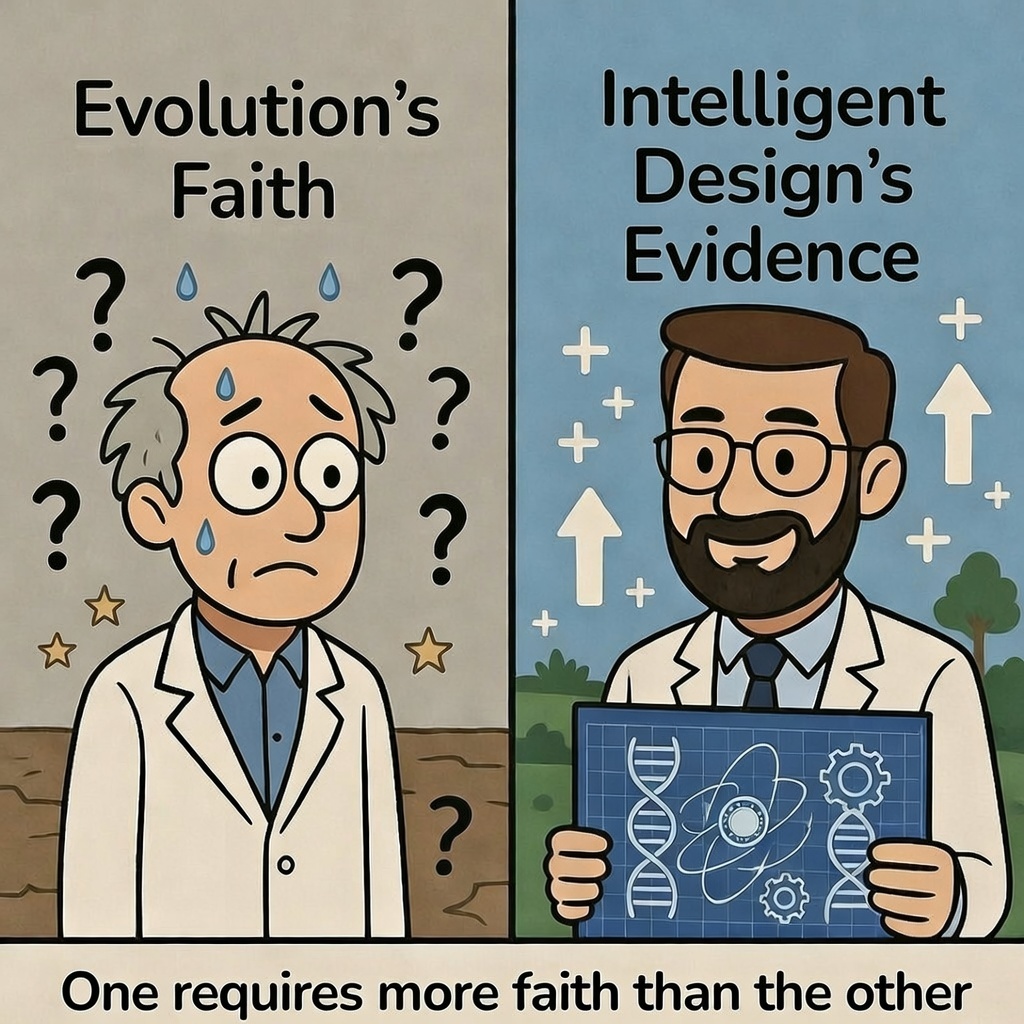
Why Intelligent Design Requires Less Faith Than the Theory of Evolution: A Biblical Perspective
One requires more faith than the other…
-

–
A World Living Contrary to the Will of God
How Modern Culture Fuels the Works of the Flesh and How We Can Cultivate the Fruit of the Spirit
-

–
Anchoring Your Moral Compass: Embracing a Biblical Worldview in an Age of Media-Driven Relativism
Media’s relative truth can confuse and divide, but a biblical worldview offers clarity and freedom.

Leave a Reply